
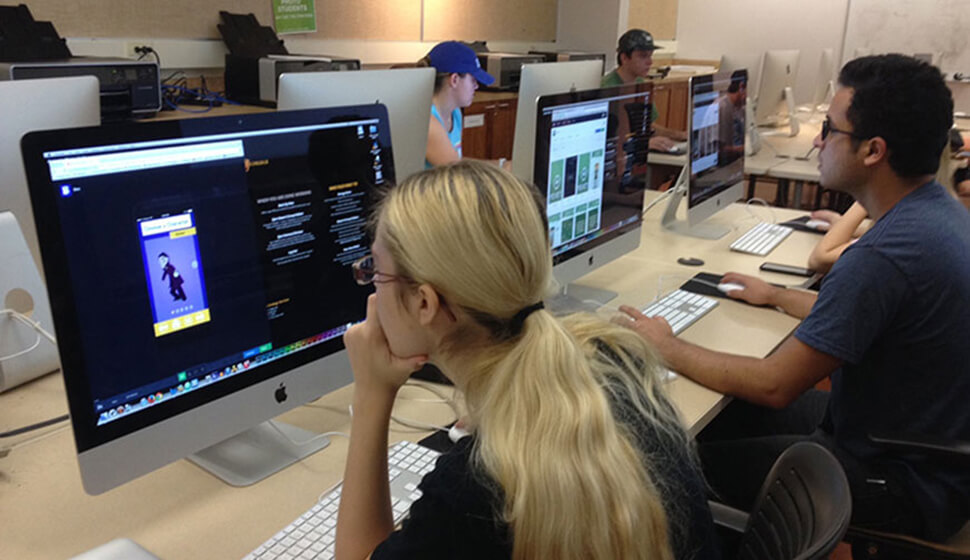
When “Big Data” Goes to School
When “Big Data” goes to school, classrooms start using large amounts of information—like test scores, attendance, homework patterns, and even learning app activity—to better understand how students learn and where they struggle. Supporters say this can personalize education by spotting gaps early, recommending the right resources, and helping teachers adjust lessons for different needs instead of using a one-size-fits-all approach. Schools can also use data to improve decisions about staffing, budgets, and programs by seeing what actually works over time. However, bringing big data into education also raises serious concerns about student privacy, security, and fairness, especially if data is collected without clear consent or if algorithms label students in ways that limit opportunities. For big data to truly help schools, it must be used responsibly—with transparency, strong protections, and a focus on supporting students rather than simply measuring them.

You may also like